A Comprehensive Guide to Exporting Thai Products: From Local Markets to Global Reach


Understanding the Thai Market
Thailand has long been a hub of vibrant culture, rich history, and diverse products. From exquisite handcrafted goods to delicious cuisine, the country offers a plethora of items that are perfect for export. Understanding the local market is crucial for anyone looking to take Thai products global. Familiarize yourself with the unique characteristics of Thai goods, including their cultural significance and production methods.

Identifying Export-Ready Products
To successfully export Thai products, start by identifying items with international appeal. Popular categories include:
- Food and Beverages: Thai spices, sauces, and snacks are sought after worldwide.
- Handicrafts: Intricately designed textiles and pottery.
- Health and Beauty Products: Herbal supplements and skincare items.
Research global trends to find niche markets that align with these products.
Navigating Export Regulations
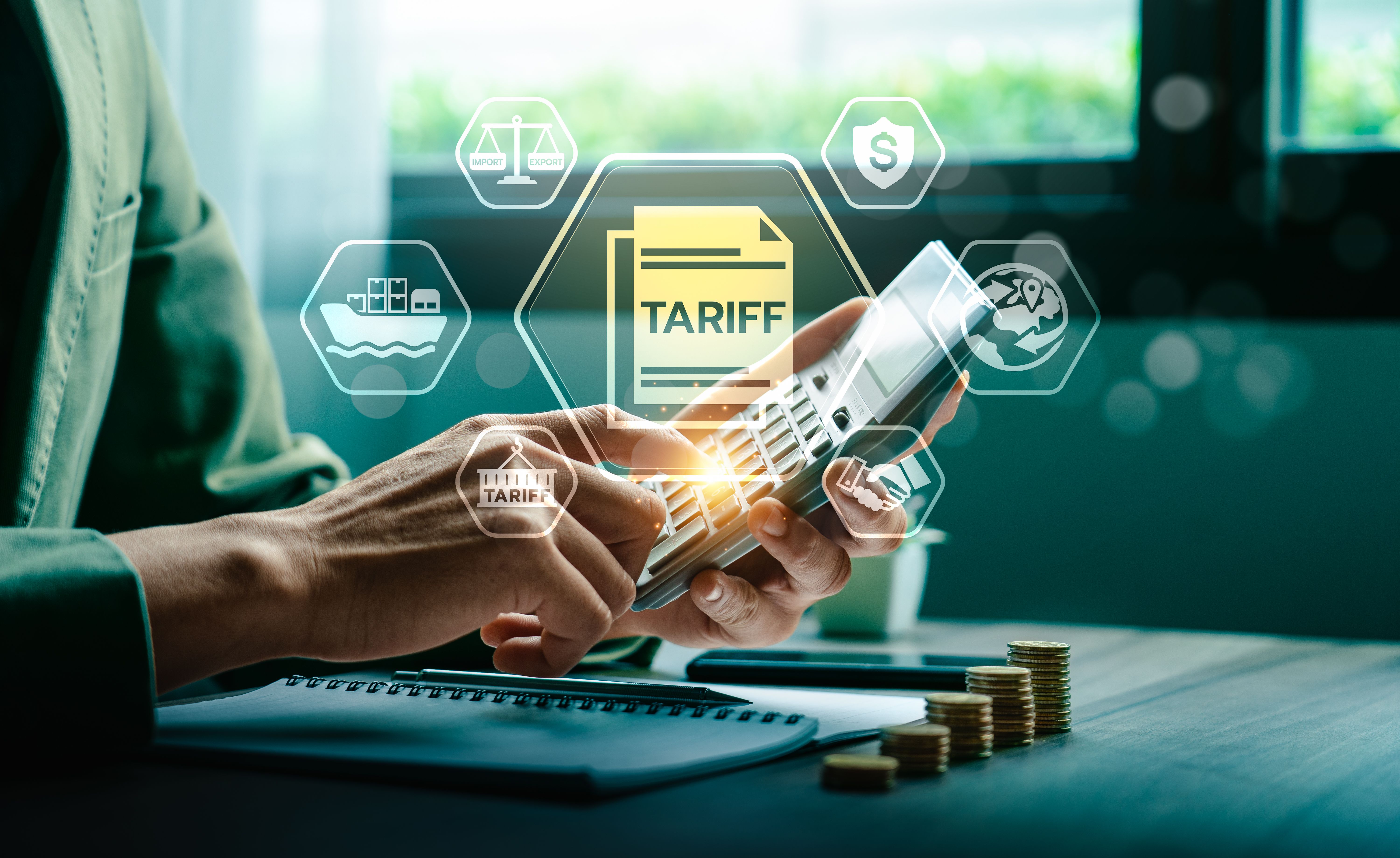
Navigating the legal landscape is a critical step in exporting. Thailand has specific regulations and standards that exporters must adhere to. Key considerations include:
- Understanding export licenses and permits.
- Complying with labeling and packaging requirements.
- Ensuring product standards meet international guidelines.
Working with a local export consultant can streamline this process and ensure compliance.
Building a Global Network
Creating a solid network is essential for reaching international markets. Start by connecting with local trade organizations and attending industry events. Establishing relationships with foreign distributors and retailers is also vital. These connections can provide insights into market demands and consumer preferences abroad.
Marketing Thai Products Internationally
Effective marketing strategies are crucial for capturing the global market's attention. Consider utilizing digital marketing platforms to showcase your products. Highlight the unique qualities and cultural heritage of Thai goods to differentiate them from competitors. Collaborating with influencers and local partners can further enhance brand visibility.

Overcoming Export Challenges
Exporting comes with its own set of challenges, such as logistical issues and cultural barriers. To overcome these, consider:
- Implementing efficient supply chain management practices.
- Understanding cultural nuances in target markets.
- Offering exceptional customer service to build trust and loyalty.
Being proactive and adaptable will help in navigating these obstacles effectively.
Sustainable Export Practices
As global awareness of environmental issues grows, sustainable practices have become important in export strategies. Thai exporters can emphasize eco-friendly production methods and use sustainable packaging solutions. This not only enhances brand reputation but also aligns with global consumer trends towards sustainability.

Leveraging Technology for Export Success
In the digital age, technology plays a crucial role in exporting. Utilizing e-commerce platforms can expand reach and facilitate transactions. Implementing inventory management software and analytics tools can optimize operations and provide valuable insights into sales performance. Embracing technology ensures competitiveness in the global market.
Conclusion
Exporting Thai products is a rewarding endeavor that requires careful planning and execution. By understanding the local market, identifying export-ready products, navigating regulations, and leveraging technology, businesses can successfully reach a global audience. With the right strategies, Thai goods can achieve a prominent place in international markets, showcasing the richness and diversity of Thailand to the world.