Common Misconceptions About Exporting Thai Products


Understanding Export Regulations
One of the most common misconceptions about exporting Thai products is the belief that the regulations are overly complex and prohibitive. While it's true that there are numerous rules and guidelines, they are designed to ensure safety and quality. Exporters should familiarize themselves with the necessary documentation, such as import licenses and certificates of origin, to streamline the process.

Quality Standards
Another misunderstanding involves the quality of Thai products. Some believe that these products may not meet international standards. However, Thailand has stringent quality control measures in place, especially for goods like food and textiles. Ensuring compliance with these standards can enhance credibility and boost marketability overseas.
Logistical Challenges
Potential exporters often fear logistical nightmares, assuming that shipping products from Thailand is fraught with difficulties. In reality, Thailand has a well-developed infrastructure and numerous shipping partners that facilitate smooth logistics. By partnering with experienced freight forwarders, businesses can mitigate many of these concerns.
Market Demand
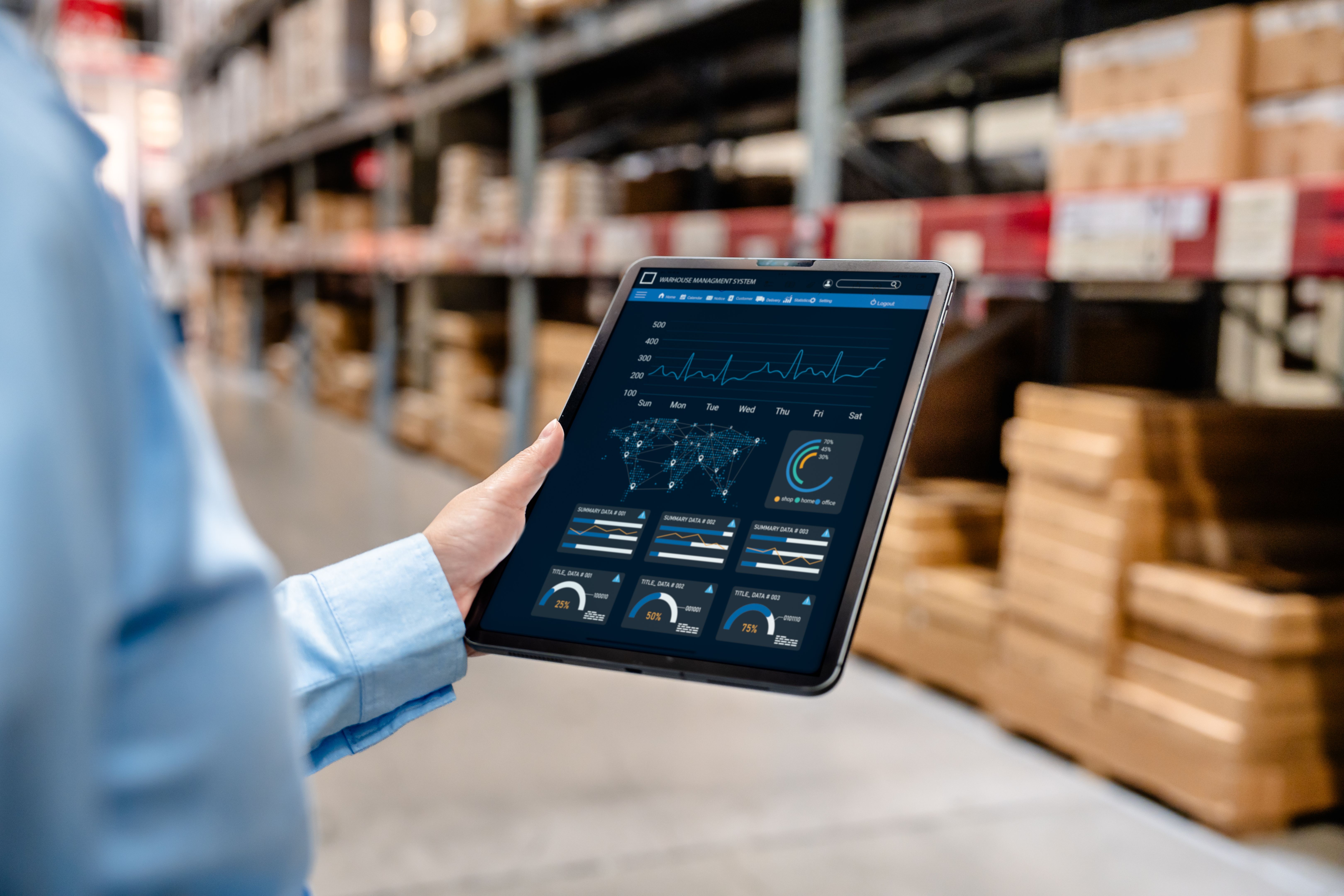
Some businesses hesitate to export Thai products due to doubts about international demand. However, Thai products have a strong global reputation, particularly in sectors like food, textiles, and electronics. Conducting thorough market research can reveal lucrative opportunities and untapped markets.
Cost Concerns
Many prospective exporters worry about the costs associated with exporting goods from Thailand. While there are expenses involved, such as shipping and tariffs, careful planning and negotiation can help minimize these costs. Exporters should explore government incentives and subsidies that may be available to support their efforts.

Cultural Barriers
Some exporters fear cultural barriers might impede their success. Understanding the cultural nuances of target markets is essential, and taking the time to learn about consumer preferences can lead to better product positioning and marketing strategies.
Legal Complexities
The legal aspects of exporting can seem daunting, but they are manageable with the right guidance. Working with legal experts who specialize in international trade can help navigate these complexities and ensure compliance with all necessary regulations.

Conclusion
Exporting Thai products presents numerous opportunities for businesses willing to overcome misconceptions. By understanding regulations, recognizing market demand, and managing costs effectively, exporters can successfully expand their reach and tap into new markets.