Essential Due Diligence Steps for Property Buyers in Thailand


Purchasing property in Thailand can be an exciting opportunity, whether you're looking for a vacation home, an investment, or a permanent residence. However, it requires careful planning and thorough due diligence to ensure a smooth transaction and avoid potential pitfalls.
Understanding the Legal Framework
The first step in your due diligence process is understanding the legal landscape of property ownership in Thailand. Foreigners are generally restricted from owning land but can own buildings or condominiums. It's crucial to consult with a local legal expert to navigate these regulations effectively.
Ensure you are familiar with the Condominium Act and other relevant laws. Foreign ownership is capped at 49% of a condominium building's total floor area. This detail is vital when considering condo purchases.

Verifying Property Titles
Next, verify the property title to ensure its legitimacy. Work with professionals to check that the title deed is clear of encumbrances and that the seller is the rightful owner. This step is critical to avoid disputes later.
Types of Title Deeds
In Thailand, there are several types of title deeds, such as Chanote, Nor Sor 3, and Nor Sor 3 Gor. The Chanote is the most secure form of land title. Understanding these differences will help you make informed decisions.
Conducting a Land Survey
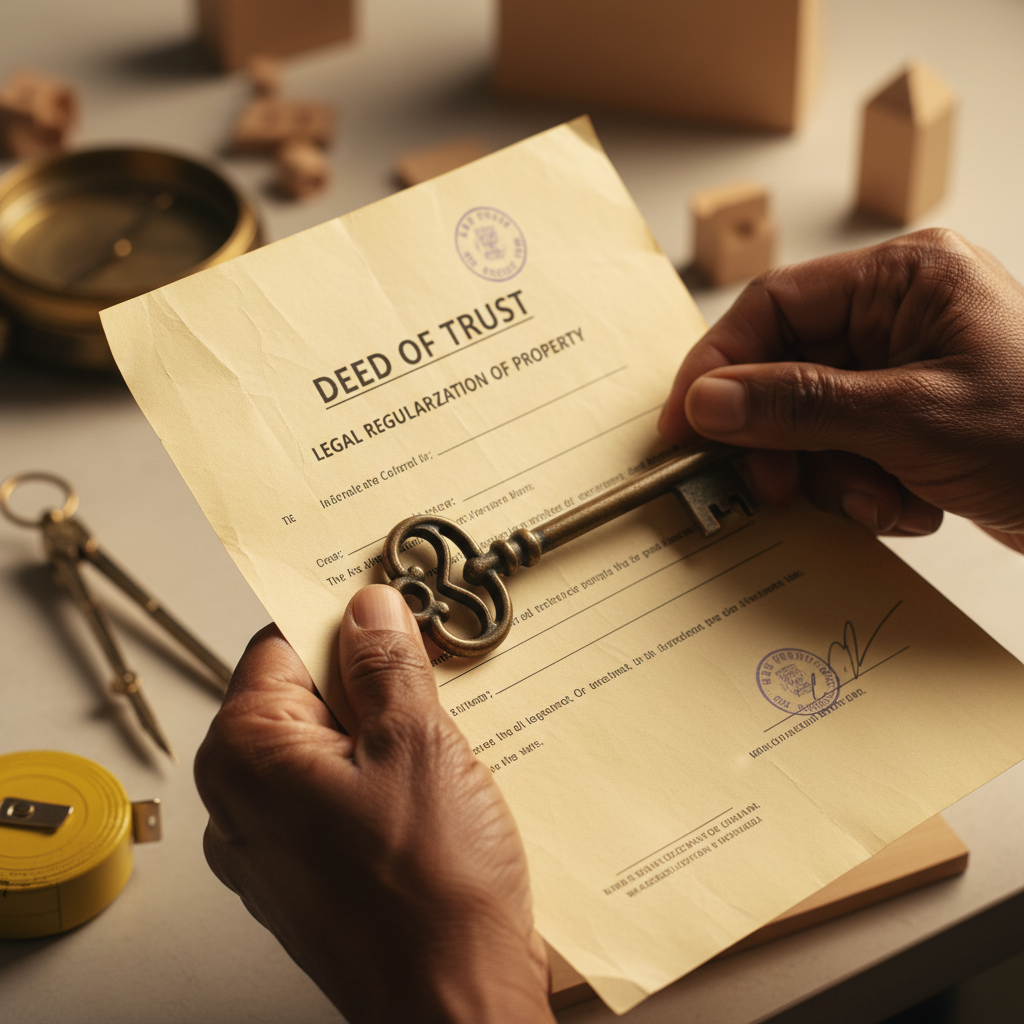
A land survey will confirm the property's boundaries and ensure that the land matches the title deed. This step can prevent future legal issues related to land encroachment or boundary disputes. Hiring a licensed surveyor is recommended for accuracy.
Assessing Property Conditions
Conduct a thorough inspection of the property's physical condition. Look for signs of structural damage, plumbing issues, or electrical faults. Hiring a professional inspector can provide an unbiased assessment and highlight potential repair costs.

Understanding Tax Implications
It's essential to understand the tax implications of your property purchase. Transfer fees, stamp duty, and withholding tax are some of the costs you might incur. Consulting with a tax advisor can help you plan for these expenses and ensure compliance with Thai tax laws.
Engaging with Local Authorities
Engage with the local land office to verify that all necessary permits and approvals are in place. This step is crucial for confirming that the property is legally compliant and free from zoning issues.
Additionally, check with local utilities to ensure that essential services like water and electricity are properly connected and functional.

Reviewing Contracts Thoroughly
Finally, review all contracts thoroughly with the help of a legal professional. Ensure that the terms are clear and that there are no hidden clauses that might affect your ownership rights or financial obligations. This step is crucial for protecting your interests.
By following these essential due diligence steps, you can confidently navigate the property buying process in Thailand. Taking the time to conduct thorough research and consult with experts will pave the way for a successful investment.