Expert Tips for a Smooth Transition to Living in Thailand


Understanding the Basics of Thai Culture
Moving to Thailand can be an exciting adventure, but it's essential to understand the cultural nuances to make your transition smoother. Thailand is known for its rich traditions, and embracing these can help you integrate more seamlessly. One of the most important aspects is the concept of "Sanuk," which means bringing fun and joy to all aspects of life. This mindset is prevalent in social and professional settings.
Another cultural cornerstone is the respect for hierarchy and age. Showing courtesy and deference to elders is highly regarded. Additionally, the traditional Thai greeting, known as the "wai," involves a slight bow with hands pressed together and is a sign of respect.
Mastering the Language
While many Thais speak English, especially in urban areas, learning the basics of the Thai language can significantly enhance your experience. Simple phrases like "Sawadee" (Hello) and "Khop Khun" (Thank you) can go a long way in building rapport with locals. Consider enrolling in a language class or using language apps to get started.
Understanding and speaking Thai can also help you navigate local markets and neighborhoods, making daily interactions more enjoyable and authentic. Plus, locals often appreciate the effort foreigners make to learn their language.

Finding the Right Accommodation
Choosing the right place to live is crucial. Bangkok is popular for its vibrant city life, but if you prefer a quieter environment, consider cities like Chiang Mai or the islands of Phuket and Koh Samui. Each area offers a unique lifestyle, so it's essential to consider your preferences and budget.
When searching for accommodation, online platforms and local real estate agents can be helpful. Many expats also find success through community forums where current residents share recommendations and advice.

Navigating the Cost of Living
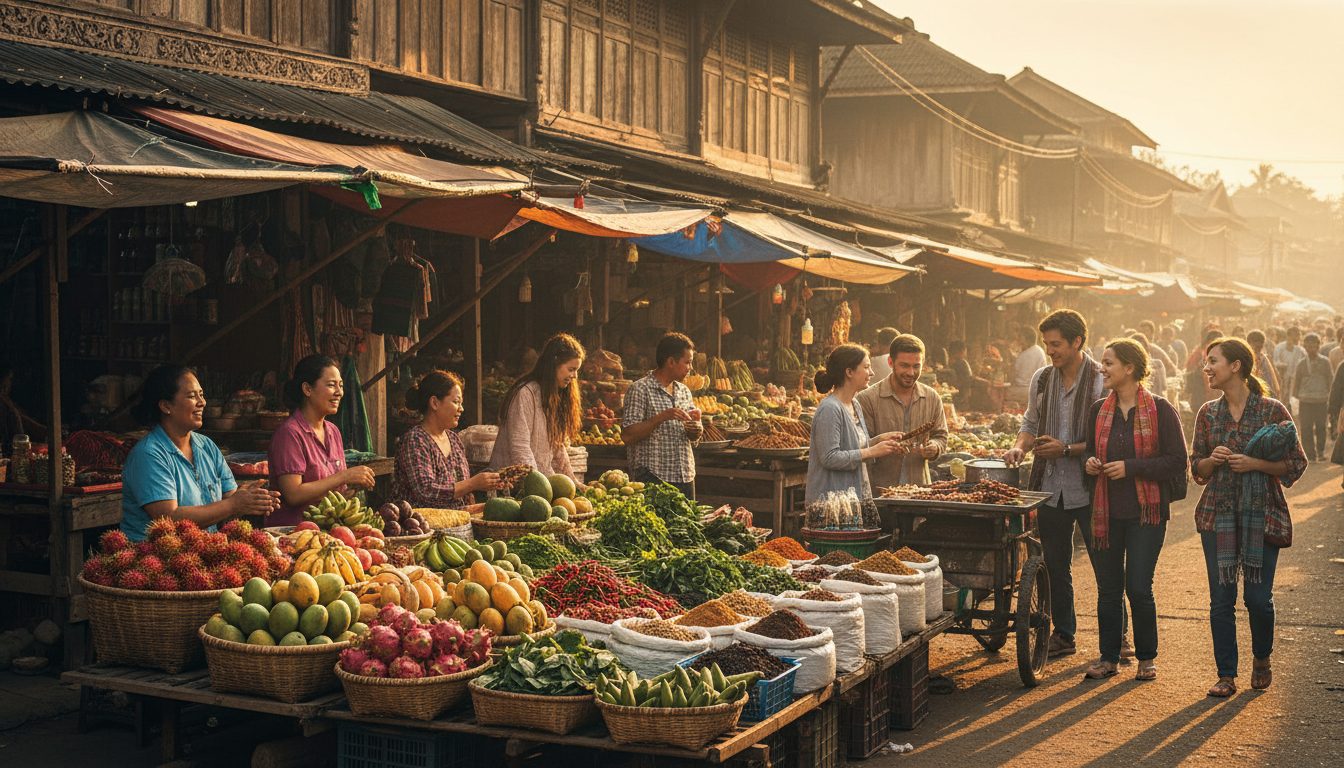
Thailand offers a relatively low cost of living compared to Western countries. However, expenses can vary based on lifestyle choices. Dining at local eateries is affordable, while international restaurants might be pricier. It's wise to plan your budget and explore local markets for fresh produce and goods.
Transportation is another area where you can save money. Public transportation in cities like Bangkok is efficient and inexpensive. Alternatively, you might consider renting a scooter for more flexibility.
Building a Social Network
Establishing a social network in Thailand can make your transition more enjoyable. Joining local clubs, attending community events, and participating in language exchanges are great ways to meet new people. Expats often connect via online forums and social media groups dedicated to life in Thailand.
Volunteering can also be a rewarding way to meet locals and fellow expats. Many organizations welcome volunteers, providing opportunities to give back while building friendships.
Understanding Legal Requirements
Before moving, familiarize yourself with Thailand's visa and work permit regulations. There are various visa options depending on your purpose of stay, such as tourist, retirement, and work visas. It's crucial to stay updated on any changes in immigration policies to avoid potential issues.
Consulting with a legal expert or using the services of a visa agency can help ensure you have the necessary documentation and comply with local laws.

Embracing the Adventure
Living in Thailand promises a unique and enriching experience. By understanding the culture, learning the language, and actively engaging with the community, you can make the most of your time in this beautiful country. Embrace the adventure, and you'll find that Thailand offers a warm and welcoming home away from home.
With these expert tips, your transition to living in Thailand can be both smooth and fulfilling. Enjoy the journey, and take in all the wonders this amazing country has to offer!