Exploring Thailand's Agricultural Exports: Opportunities for Global Trade Partnerships


Thailand, known for its rich cultural heritage and stunning landscapes, is also a significant player in the global agricultural market. The country's agricultural exports present lucrative opportunities for global trade partnerships, driven by a diverse range of products and a commitment to quality.
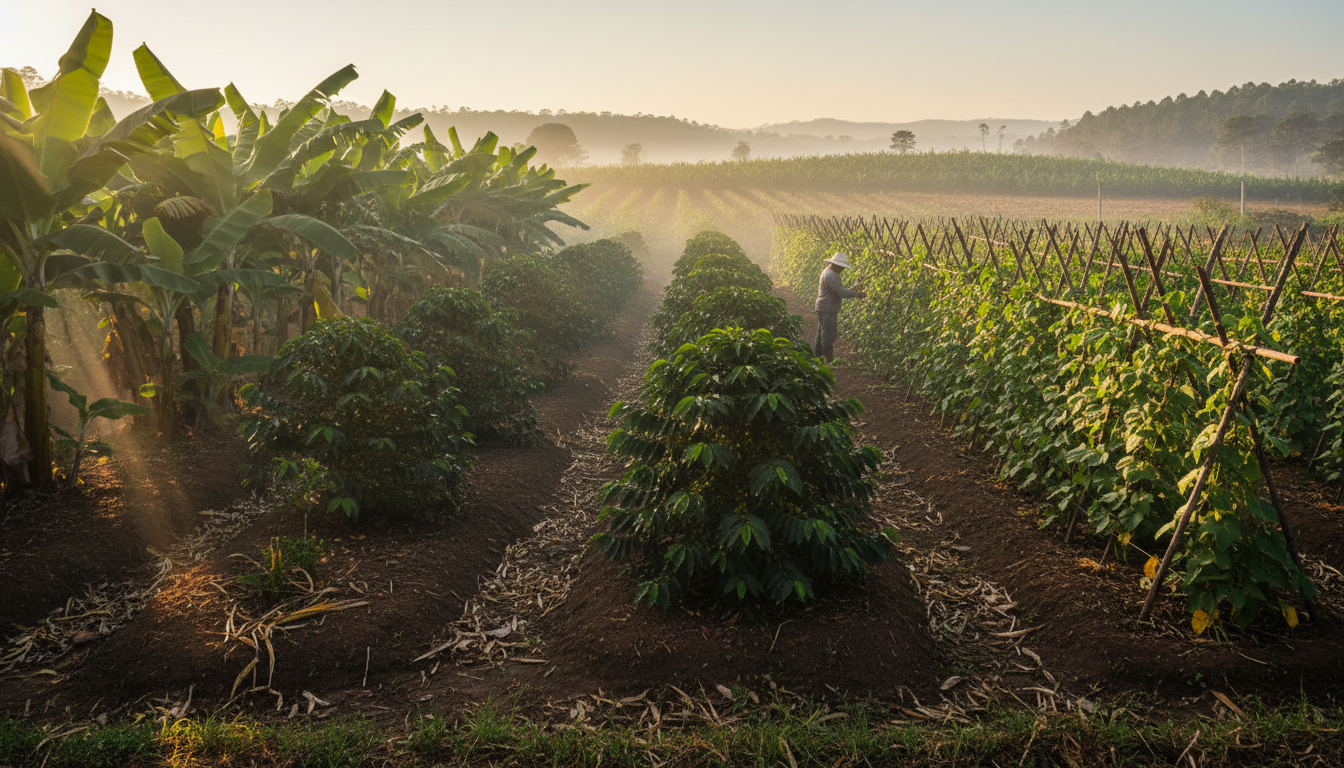
Overview of Thailand's Agricultural Landscape
Agriculture is a cornerstone of Thailand's economy, employing a significant portion of the population. The country's fertile land and favorable climate contribute to its ability to produce a variety of crops. From rice paddies to fruit orchards, Thailand's agricultural diversity is impressive.
Thailand ranks as one of the world's largest exporters of rice, rubber, and tropical fruits. These products not only feed millions but also fuel the country's economic growth. The government has implemented policies to support farmers and enhance export capabilities, ensuring high standards and sustainability.
Key Agricultural Products
Thailand's agricultural exports are dominated by a few key products:
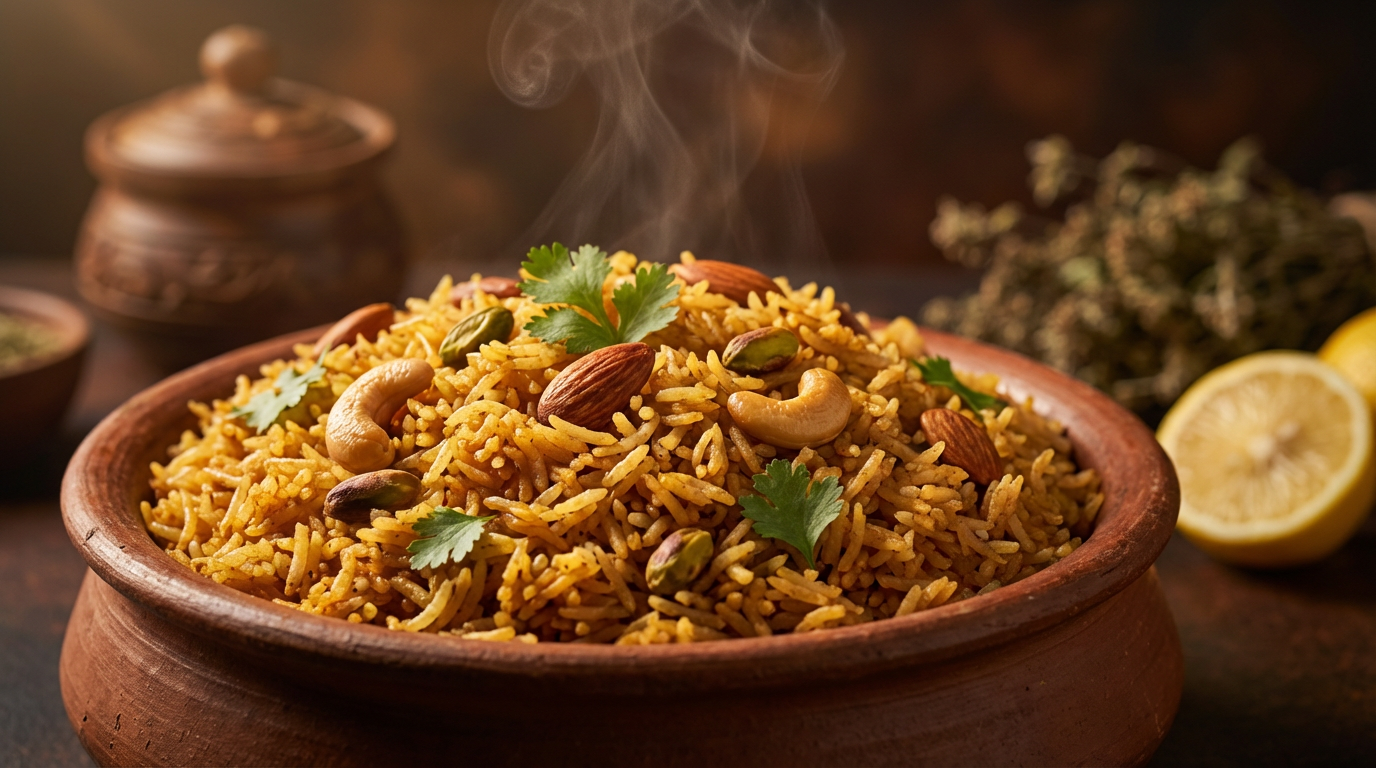
- Rice: Known as the "rice bowl of Asia," Thailand is a leading exporter of jasmine rice, renowned for its fragrance and quality.
- Rubber: The country is a major supplier of natural rubber, essential for various industries worldwide.
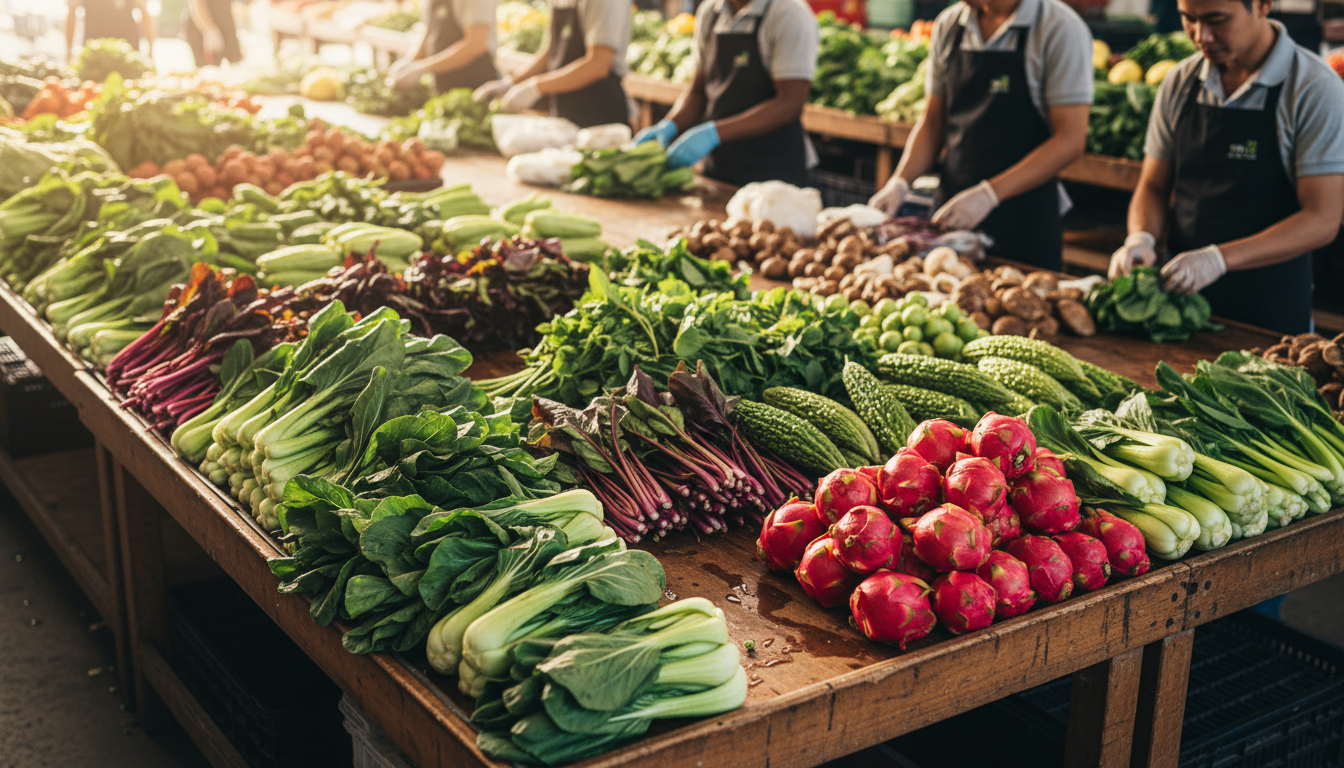
- Tropical Fruits: Thai fruits like durian, mangosteen, and longan are sought after for their unique flavors and nutritional benefits.
Opportunities for Global Trade Partnerships
With the growing demand for sustainable and high-quality agricultural products, Thailand's exports offer significant opportunities for international trade partnerships. By collaborating with Thai producers, global partners can access a steady supply of premium products tailored to diverse markets.
Thailand's commitment to adhering to international standards ensures that its exports meet the quality expectations of global consumers. This dedication to excellence opens doors for partnerships in various sectors, including food processing, retail, and logistics.
Strategic Initiatives and Investments
The Thai government has launched strategic initiatives to boost agricultural exports, including investments in technology and infrastructure. These efforts aim to enhance supply chain efficiency and reduce environmental impact. By fostering innovation, Thailand is positioning itself as a leader in sustainable agriculture.
Moreover, partnerships with international organizations and businesses are encouraged to further expand Thailand's agricultural reach. Collaborative efforts can lead to the development of new products and the opening of untapped markets.
Conclusion
Thailand's agricultural exports present a wealth of opportunities for global trade partnerships. With a focus on quality, sustainability, and innovation, Thailand is well-equipped to meet the demands of the international market. By exploring these opportunities, global partners can benefit from Thailand's rich agricultural heritage and contribute to mutual economic growth.