Solar Farm Site Selection in Thailand: Land, Grid and Due Diligence Checklist


Thailand's commitment to renewable energy has made solar farms increasingly popular. However, selecting the right site is crucial for maximizing efficiency and return on investment. This guide provides a checklist focusing on land, grid connectivity, and due diligence, essential components for successful solar farm site selection in Thailand.
Land Considerations
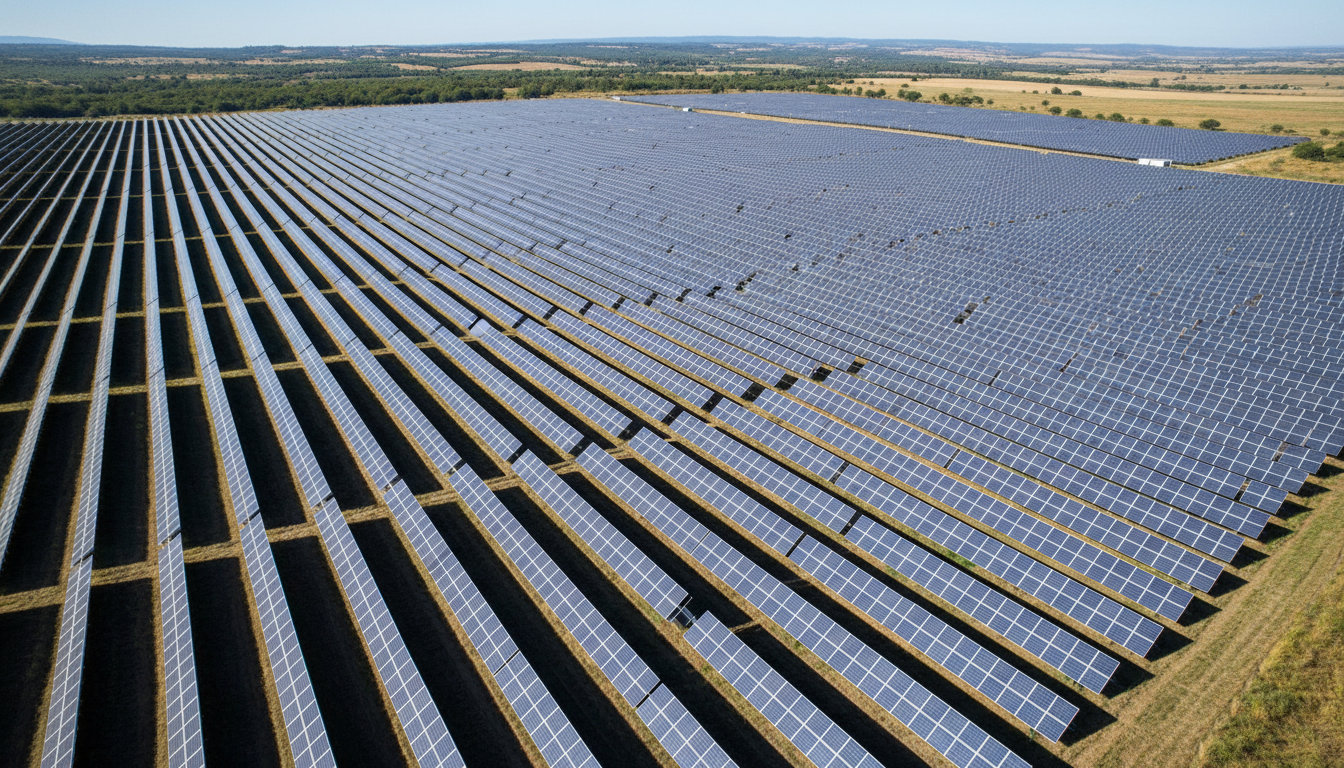
Choosing the right land is the foundation of a successful solar farm. Factors such as land size, topography, and soil type play a significant role in site viability. Ideally, the land should be flat or gently sloping to facilitate easy installation and maintenance of solar panels.
Additionally, consider the land's current use and zoning laws. Ensure the land is designated for energy projects and doesn't conflict with agricultural or residential purposes. Conducting a thorough survey to assess these factors can save time and resources in the long run.
Environmental Impact
Environmental considerations are crucial when selecting a solar farm site. Evaluate the potential impact on local wildlife and ecosystems. Conduct an Environmental Impact Assessment (EIA) to ensure that the project complies with local regulations and does not harm biodiversity.
Look for areas that avoid protected lands and minimize disruption to natural habitats. Collaborating with environmental experts can provide valuable insights and help navigate regulatory requirements effectively.
Grid Connectivity
Access to the electrical grid is another critical factor. A site with proximity to existing power lines can significantly reduce infrastructure costs. Consider the capacity of the local grid to handle additional power without overloading.
Engage with local utility companies early in the process to understand grid capacity and connection requirements. This collaboration can help identify potential challenges and streamline the connection process.
Infrastructure and Accessibility
Beyond grid connectivity, assess the site's overall accessibility. Evaluate the quality of access roads for transportation of equipment and ongoing maintenance. Ensure that the infrastructure can support construction activities and future operations.
Consider the availability of local resources and workforce to support the construction and maintenance phases. Proximity to urban centers can also be beneficial for logistics and manpower.
Due Diligence Checklist
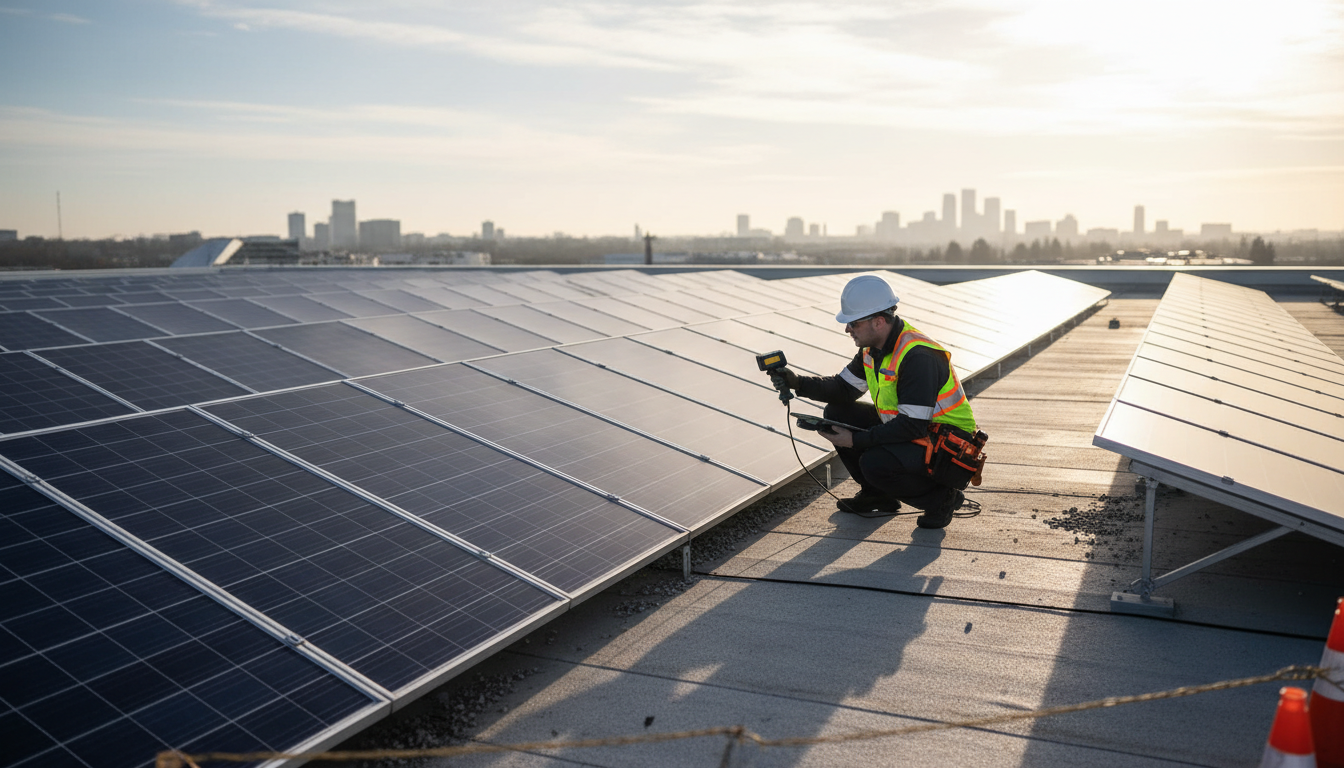
Conducting thorough due diligence is essential to mitigate risks and ensure project viability. Below is a checklist to guide the process:
- Legal: Verify land ownership and obtain necessary permits and approvals.
- Technical: Assess solar radiation levels and conduct feasibility studies.
- Financial: Analyze costs, funding options, and potential returns.
- Community: Engage with local communities to address concerns and gain support.
Risk Management
Risk management is a vital part of due diligence. Identify potential risks such as natural disasters, policy changes, and market fluctuations. Develop contingency plans to address these risks and ensure project resilience.
Regularly review and update risk management strategies to adapt to changing conditions and maintain project sustainability over time.
By carefully considering these factors and following a structured checklist, developers can select optimal sites for solar farms in Thailand, ensuring projects are both profitable and sustainable.