Thailand Export Trends: Insights for Global Traders


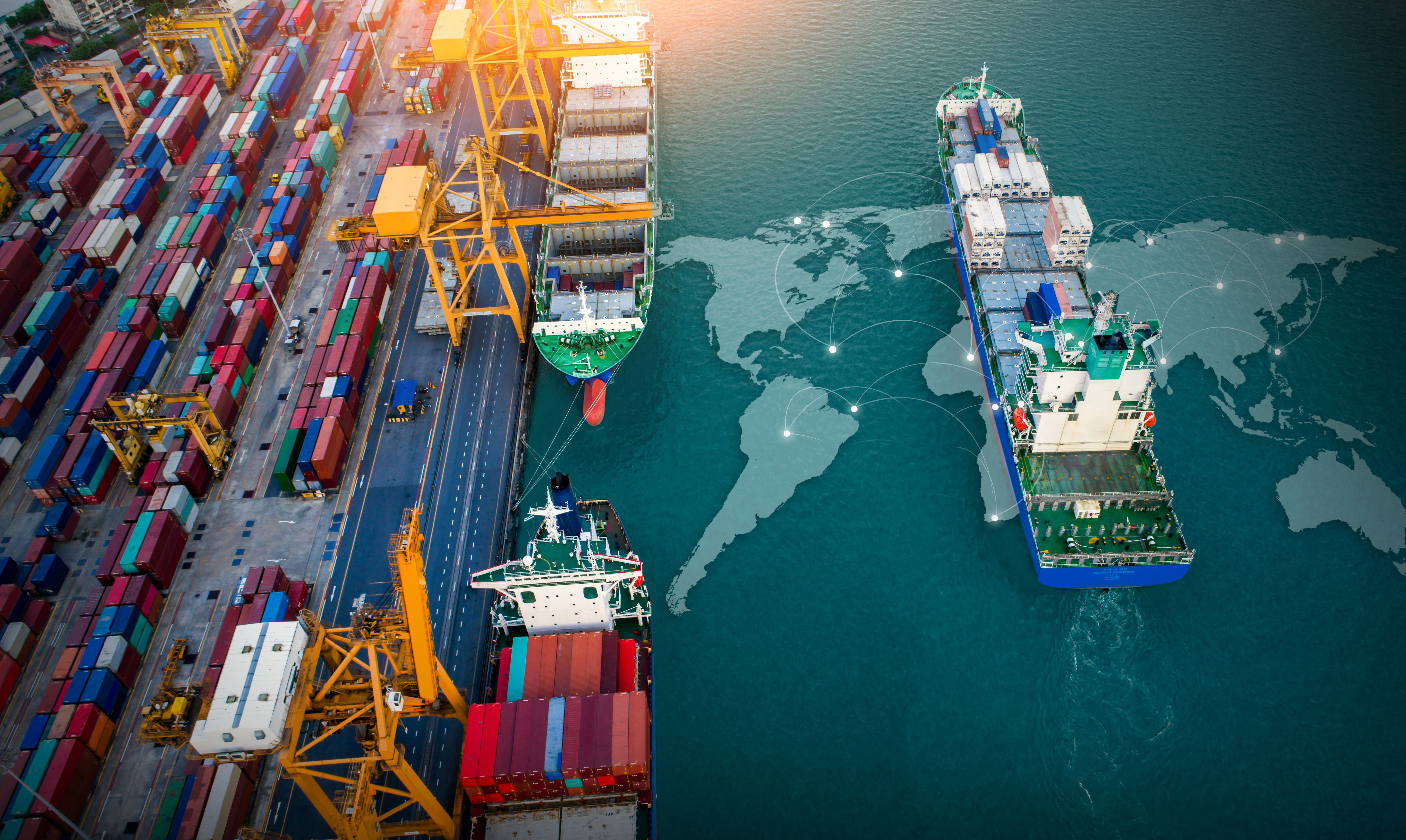
Thailand has emerged as a significant player in the global trading arena, with its diverse range of exports gaining attention worldwide. Understanding the latest export trends from Thailand can offer valuable insights for global traders looking to capitalize on these opportunities.
Overview of Thailand's Export Landscape
Thailand's economy is heavily export-dependent, with exports accounting for a significant portion of its GDP. The country is renowned for its rich agricultural products, advanced electronics, and automotive industries. In recent years, there has been a noticeable shift towards more technologically advanced goods, reflecting global demand changes.
One of the major sectors contributing to Thailand's export success is the electronics industry, which includes integrated circuits, computers, and parts. This sector has seen substantial growth due to increased global reliance on technology.
Agricultural Products: A Stronghold
Thailand is often referred to as the "Kitchen of the World" due to its vast array of agricultural exports. Rice, rubber, and sugar are some of the leading products. The country is one of the world's largest rice exporters, catering to markets across Asia, Africa, and the Middle East.
In addition to rice, Thailand's rubber industry plays a crucial role in the global market. As one of the top rubber producers, the country's exports serve the automotive and manufacturing sectors globally.
Automotive Industry: Driving Growth
The Thai automotive industry is another pillar of its export economy. The country is a regional hub for vehicle production, with numerous international car manufacturers having established plants here. This has led to a robust export of both vehicles and automotive parts.

Emerging Sectors and Innovations
Beyond traditional exports, Thailand is seeing growth in emerging sectors like biotechnology and renewable energy. The government has been actively promoting innovation and technological advancements, which is expected to open new avenues for export in the coming years.
Thailand's strategic focus on developing its digital economy and promoting startups is also noteworthy. This shift is likely to diversify its export portfolio and create new trading opportunities.
Trade Agreements and Partnerships
Trade agreements play a vital role in shaping Thailand's export dynamics. The country is a member of the ASEAN Free Trade Area (AFTA) and has numerous bilateral trade agreements. These partnerships help reduce trade barriers and boost export volumes.
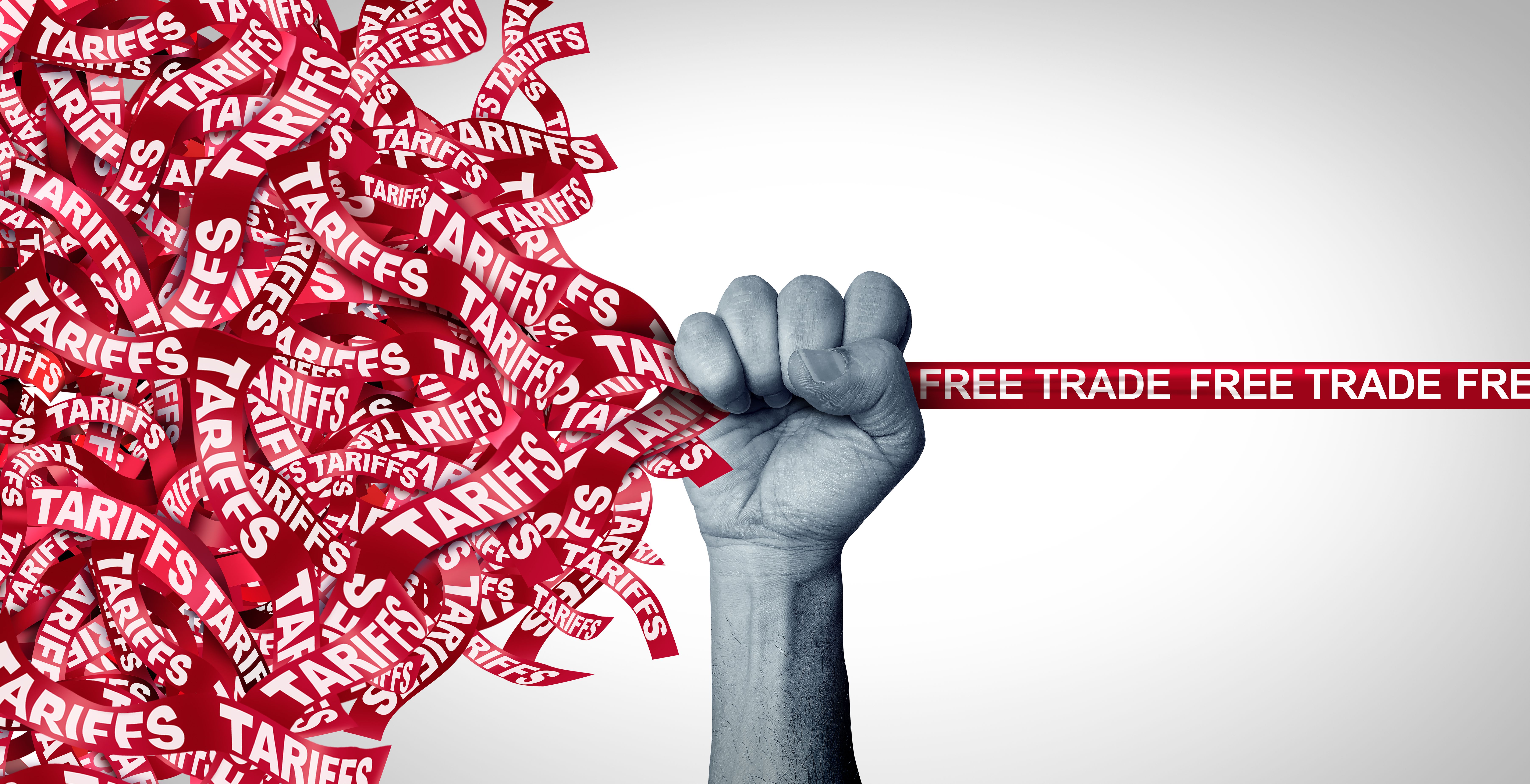
Furthermore, Thailand's participation in the Regional Comprehensive Economic Partnership (RCEP) is expected to enhance its trade relations with some of the world's largest economies, providing a competitive edge in the global market.
Challenges and Opportunities for Global Traders
While Thailand's export industry is thriving, there are challenges such as fluctuating global demand, competition from neighboring countries, and environmental concerns. However, these challenges also present opportunities for traders willing to adapt and innovate.
Understanding Thailand's export trends and aligning them with global market needs can offer significant advantages. By focusing on sectors with strong growth potential, traders can position themselves to benefit from Thailand's dynamic export landscape.