Your Guide to Thai Agricultural Exports: Navigating Quality and Logistics


Thailand is renowned for its diverse and high-quality agricultural products, making it a significant player in the global market. From fragrant jasmine rice to tropical fruits like durian and mangosteen, Thai agricultural exports offer a wide array of choices for international buyers. Understanding the intricacies of quality and logistics is essential for anyone looking to engage in this vibrant sector.
Understanding Thai Agricultural Quality
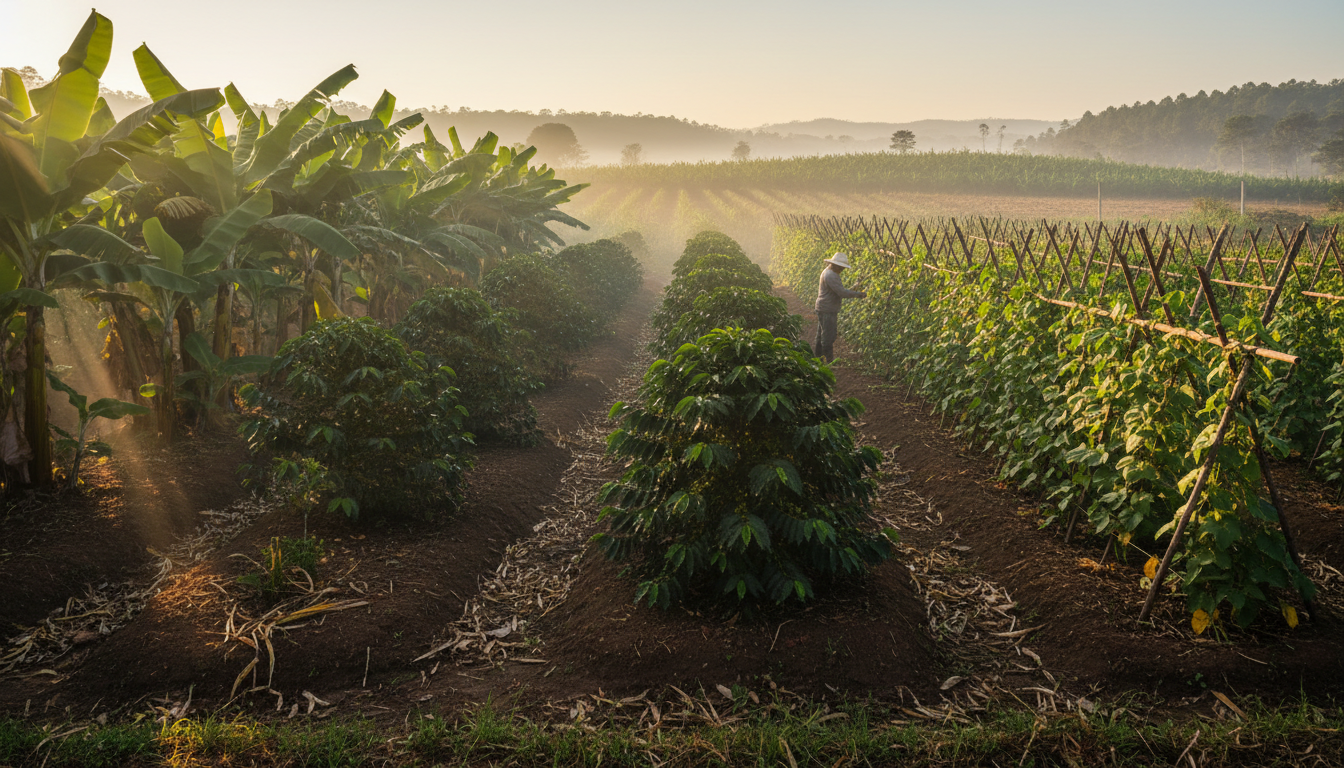
Thailand's agricultural products are celebrated for their superior quality, thanks in part to the country's favorable climate and rich soil. The government and private sectors have invested heavily in maintaining high standards, ensuring that Thai exports remain competitive on the global stage.
Quality Assurance and Certifications
To maintain its reputation, Thailand adheres to stringent quality control measures. Products often come with various certifications such as Good Agricultural Practices (GAP) and organic certifications. These ensure compliance with international standards, providing buyers with the confidence they need.

Logistics and Export Processes
Successfully exporting Thai agricultural products requires a thorough understanding of logistics. The country's strategic location in Southeast Asia makes it a central hub for trade, but navigating the logistics can be complex.
Key Logistics Considerations
When planning to export from Thailand, consider the following logistics factors:
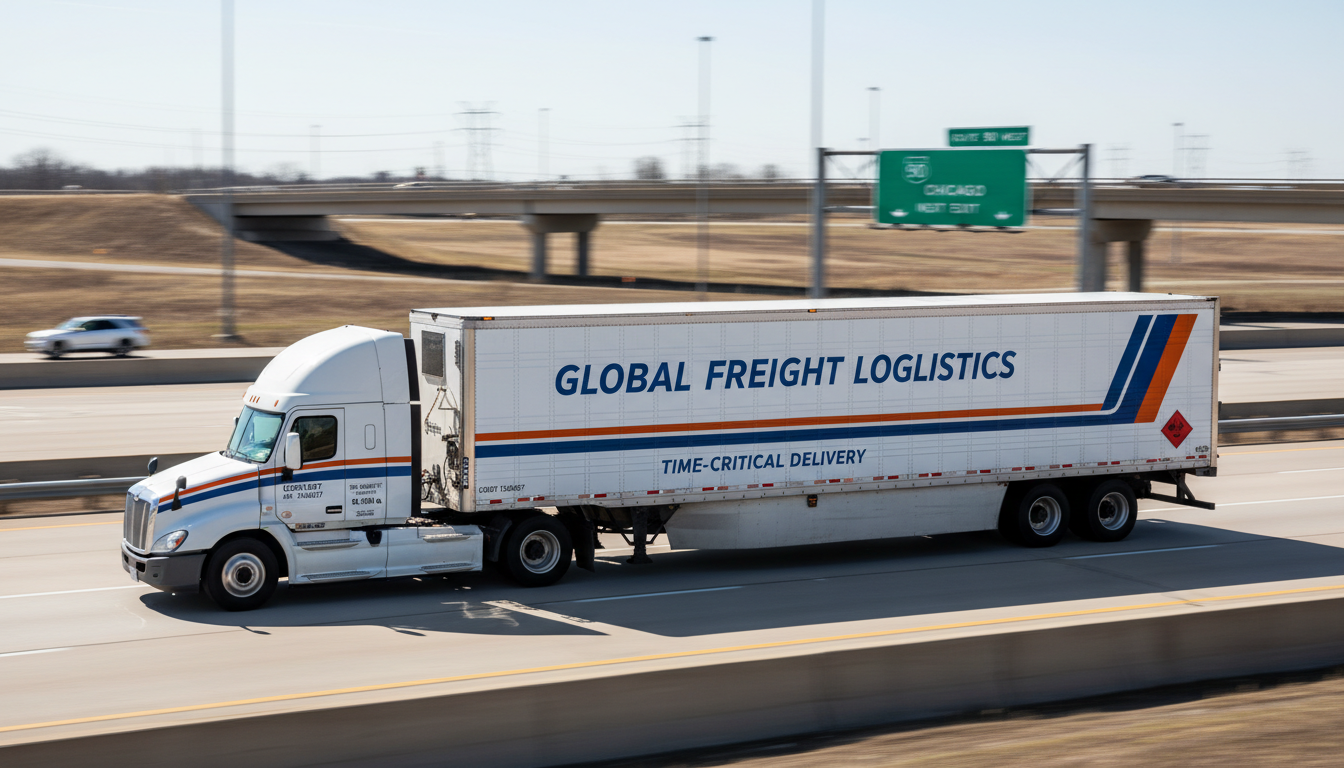
- Transportation: Thailand boasts a robust transportation network, including ports, airports, and roads, facilitating efficient movement of goods.
- Customs and Regulations: Being aware of Thai customs regulations and documentation requirements is crucial for smooth export procedures.
- Cold Chain Management: For perishable goods, maintaining an unbroken cold chain is vital to preserve quality during transit.
Navigating Export Challenges
While the prospects are promising, exporting Thai agricultural products does come with its challenges. Fluctuating global demand, climate change, and political factors can affect the consistency and availability of products.
Overcoming Barriers
To successfully navigate these challenges, exporters should:
- Stay informed about global market trends and demand shifts.
- Foster strong relationships with local suppliers and authorities.
- Invest in technology and sustainable practices to enhance resilience.
By maintaining a proactive approach, businesses can capitalize on opportunities while mitigating risks.
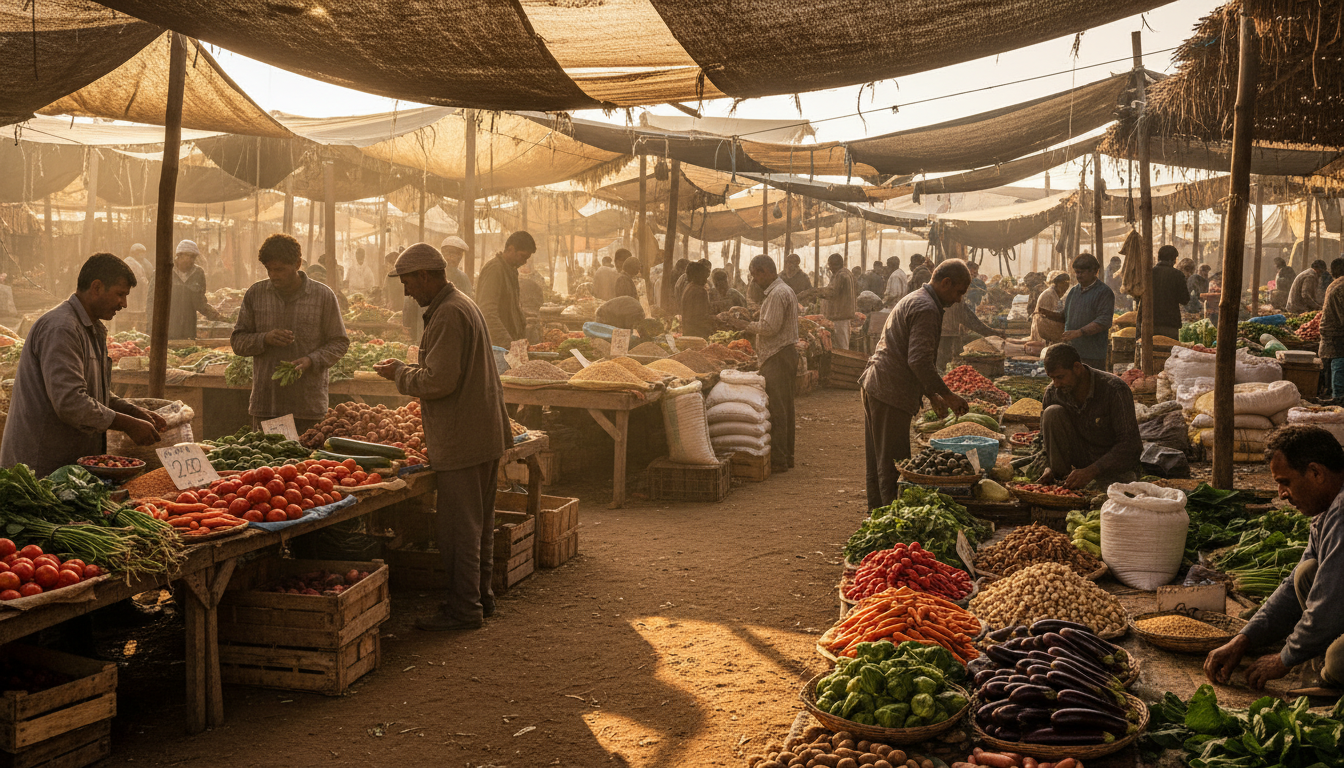
In conclusion, Thailand's agricultural export sector offers immense potential for growth and success. By understanding the nuances of quality control and logistics, businesses can effectively tap into this dynamic market, ensuring that consumers worldwide continue to enjoy the rich flavors and quality of Thai agricultural products.